

Cody and Austin Jones hit their Kickstarter goal in less time than it takes to get a pizza delivered. Twenty-seven minutes, to be exact.
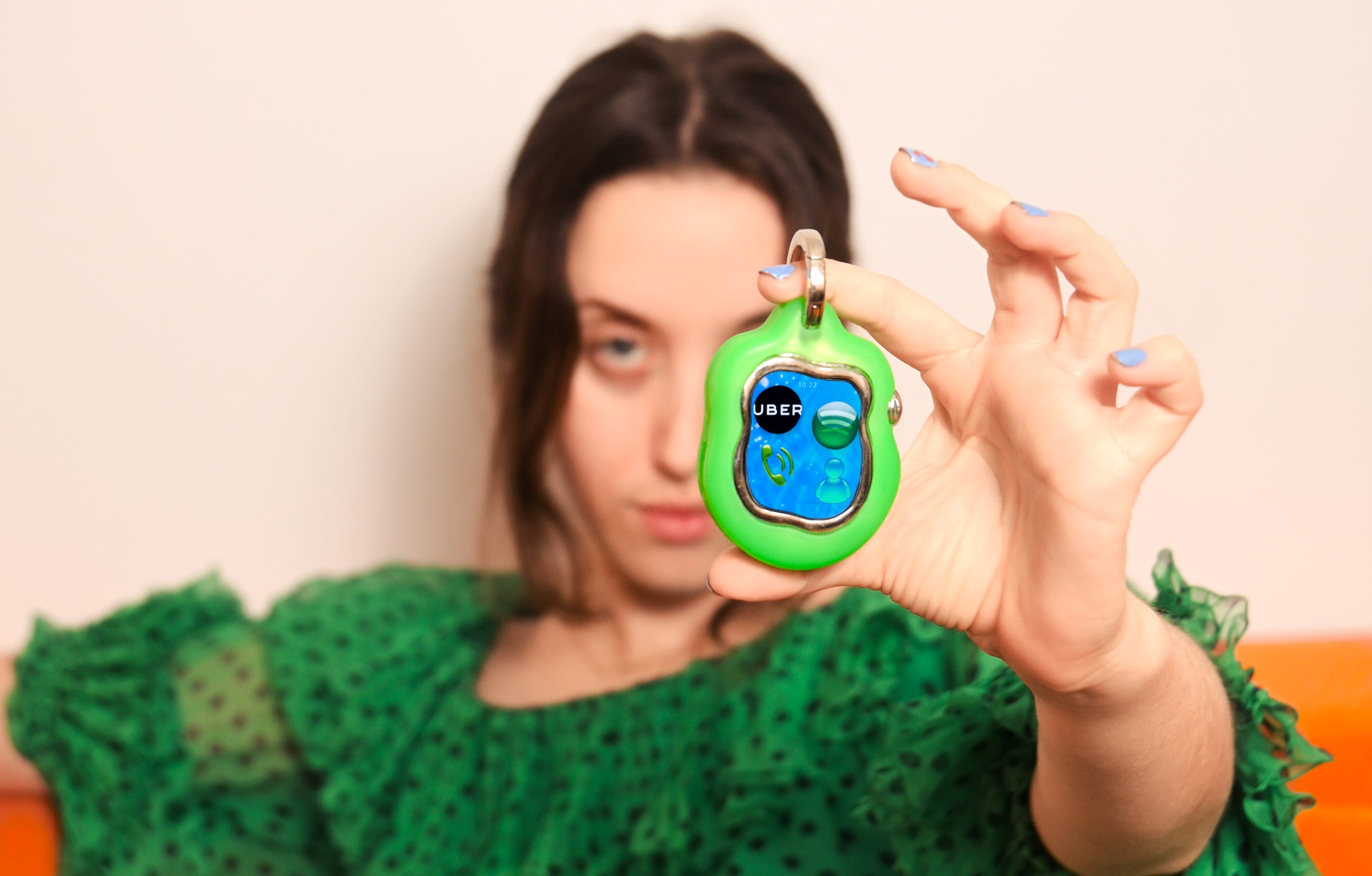
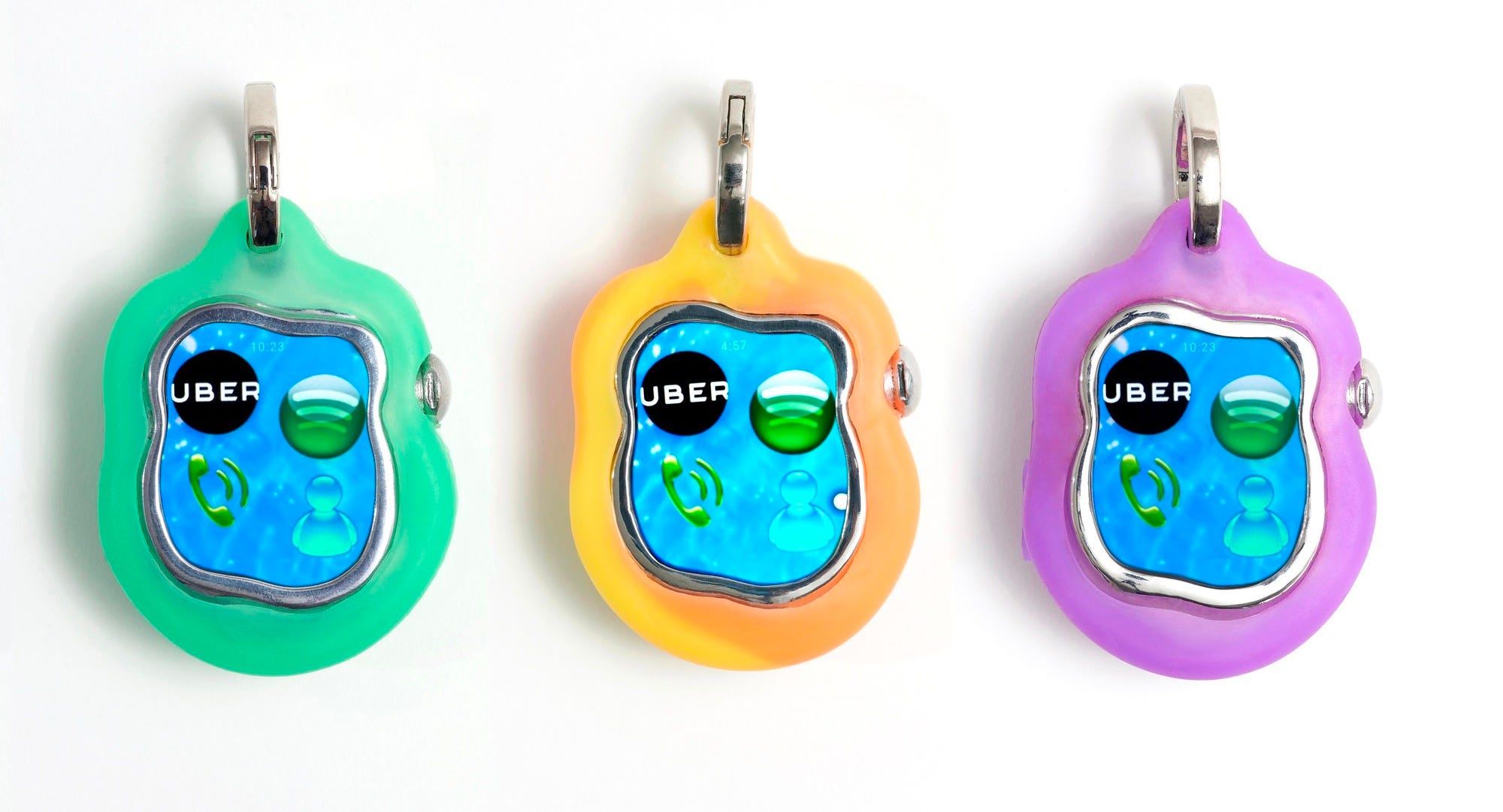
The brothers are the cofounders of Amoeba One, an “anti-social media company” that’s building a small, keychain-style phone designed for calls and texts (plus maps, rides, music, and banking) with one key component missing: addictive social media feeds. After launching on the crowdfunding platform Kickstarter on October 13 and raising $25,000 in less than half an hour, Amoeba One has gone on to raise an additional $256,000—and there’s still a month left in the campaign.
“I was in shock for at least 48 hours,” says Cody, a 23-year-old Skidmore College student, of the product’s initial success. “I didn’t have a proper celebration. I went to bed early because I didn’t really know how to deal with it.”
Now, Cody is spending his mornings “putting out Kickstarter fires” on Instagram, X, and Kickstarter itself, and staying up until 3am answering questions from backers in different time zones. (The irony isn’t lost on the self-proclaimed neo-Luddite who’s actively trying to limit his screen time.) His next major step is a trip to China to oversee manufacturing.
Cody describes himself as a former iPad kid. “I played Minecraft on my iPad, like, all day growing up,” he says. But he hasn’t had an Instagram account in about six years.
Part of his turning point came from watching his parents’ generation become increasingly attached to social media.
“‘Someone unfollowed me on social media and it’s bothering me,’” he remembers one of his parents saying. “And I’m like, you know, you’re 60 years old. This shouldn’t bother you.” Add in the near-constant stream of AI-generated videos his parents send him, and Cody had had enough.
And he wasn’t alone.
Cody says he’s seen a counterculture emerging among his peers that’s manifesting in growing fatigue with routine phone upgrades and widespread use of apps designed to limit screen time.
“People my age are really stepping away from it in a huge way,” he says of plugged-in life. “It goes down to the core of my being. I’m really anti-social media, and it came from a place of not having the best relationship with social media myself.”
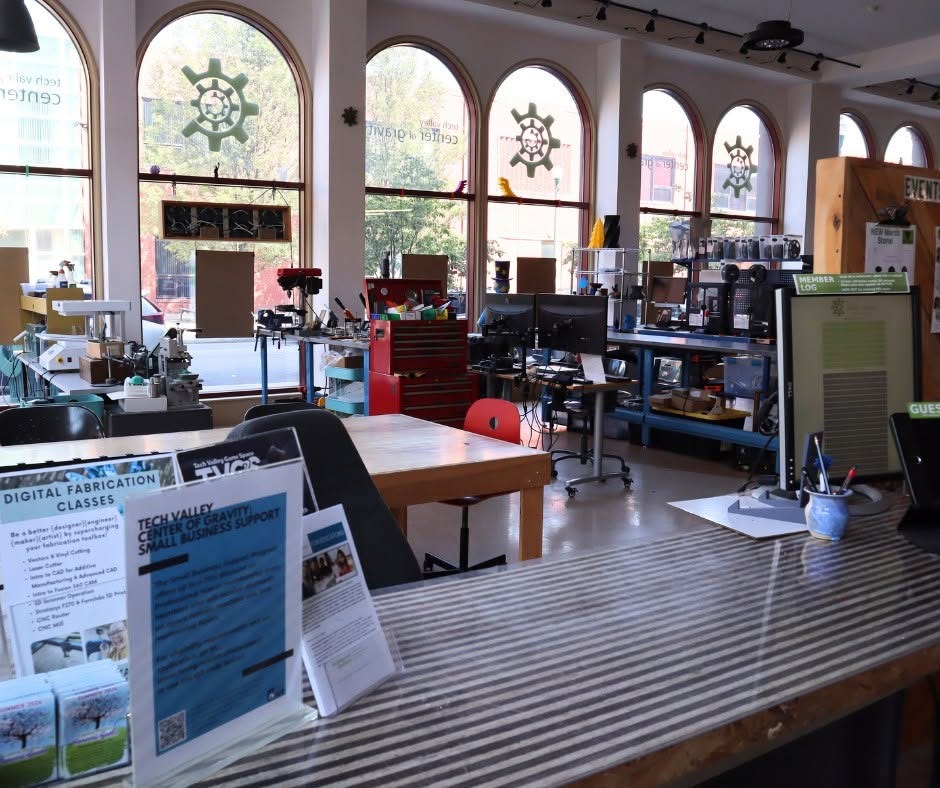
Two years ago, Cody landed an internship at the Tech Valley Center of Gravity, a Troy makerspace founded in 2013 to give recent college graduates somewhere to gather and collaborate—somewhere that Operations Director Dan Falkenstrom says “wasn’t a bar, wasn’t a concert venue,” but rather “a center of gravity for the nerds of the Capital Region.”
At the Center, Cody had access to 3D printers and prototyping tools that gave him room to experiment, test ideas, and begin building. He started off building tiny gadgets, from keychain toys to a ring with a video game inside. While staying on his brother’s couch in New York City for a few months, the pair began trying to figure out how to turn those experiments into something with broader appeal.
The breakthrough came when Cody mentioned that he’d been trying to create a device that could make calls, send texts, and communicate with other devices. Austin immediately saw the potential: If Cody could make it work, he said, “I would use it.”
Cody’s existing keychain toy couldn’t do all that he wanted it to do, so he began sourcing electronics from factories in Shenzhen, China, and developing the idea further.
“It’s so hard to invent for other people,” he says. “But when you’re inventing something for yourself or for a loved one, and you’re really just creating a solution to a problem you both have, it’s a lot easier.”
The device the brothers came up with is what Cody describes as “a mix between a Tamagotchi and the Pear Phone from iCarly.” For him, both devices evoke an era when “we felt like technology was going to help us.” Today, he says, that optimism feels harder to find outside of people using technology to solve major problems, like curing cancer.

The design also draws inspiration from the famously durable Nokia phones of the Y2K era; the brothers want Amoeba One to be a device people can carry without constantly worrying about damaging it.
“We’re doing tests, smashing them, making sure they’re not only usable but something you don’t have to worry about breaking easily,” Cody says.
Those interested in supporting Cody and Austin and/or getting their hands on one of the first Amoeba Ones can pledge money on Kickstarter. Pricing ranges from $94 for a single device in a random color to $450 for a five-pack. The phones are expected to ship by fall of next year.
As for Cody, he’s on track to graduate from Skidmore in 2027. “I’m going to be able to devote all my time to this now,” he says, “which is awesome.”
—Christina Dagmar Summers